October 03, 2026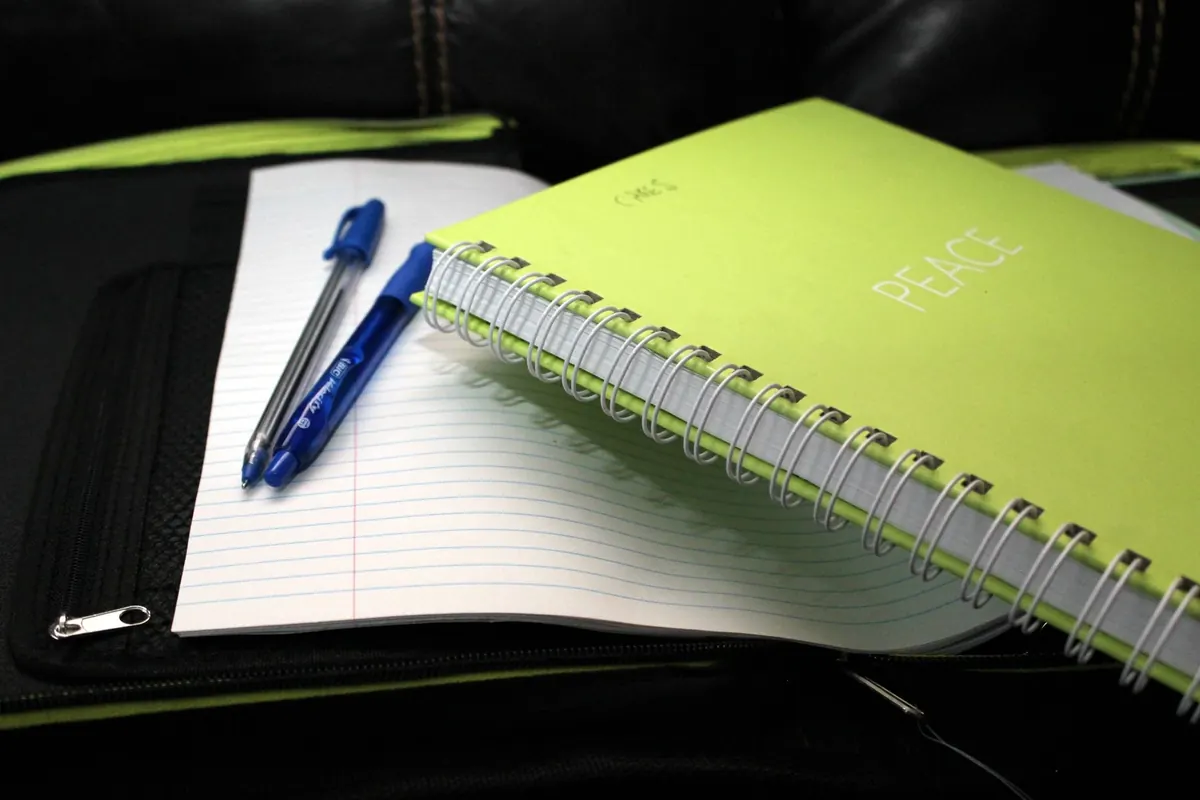
Some weeks you have twenty minutes, a proper cup of tea and a candle you remembered to light. Most weeks you have four minutes before sleep and a pen that is running out. That does not mean the practice stops. It means it gets smaller and sharper.
The thirty prompts below are built for exactly that kind of week. Each one can be answered in a line or two, and none of them require you to feel grateful before you start. Write the answer you actually have, not the one that sounds nicest.
Why Five Minutes Is Enough
Gratitude journalling works best as a habit rather than a project. Three honest lines written most evenings will do more for you than a page of vague thankfulness written once a fortnight. So lower the bar until you can clear it on your worst day.
A few ground rules help:
- Keep the journal where you will trip over it — beside the kettle, on your pillow, in the bag you carry to work.
- Set a timer for five minutes. When it goes, stop, even mid-sentence.
- Write by hand where you can. It is slower, which is part of the point.
- Skip the guilt. A missed day is a missed day, not a broken streak to mourn.
Now for the prompts. Take one a day, or scan the whole list and grab whichever question you can answer without thinking too hard.
Prompts for Days That Ran Away From You
These suit the evenings when you look up and it is dark, and you are not entirely sure what happened to the hours.
- Name one thing that went right today, however small — the bus you caught, the email you finally answered.
- What did you get through that you had been dreading?
- Which moment today would you happily live again, exactly as it was?
- Who made your day slightly easier, and what did they do?
- What did your body do for you today — walked, carried, healed, rested?
- What problem did you solve, or deliberately decide not to solve?
Prompts for Tired Evenings
When your brain has already clocked off, keep the question gentle and the answer short. One line is a complete entry.
- What comfort did you reach for today, and did it help?
- Write down one task you can drop tomorrow without anything falling apart.
- What was the kindest thing you did for yourself today?
- Which part of today can stay unfinished and still be fine?
- Who or what kept you going when your energy dipped?
- What is waiting for you tomorrow that you are glad about?
Prompts for Weeks Full of People
Busy weeks are often busy because of other people — meetings, school runs, queues, group chats. These prompts look at what all that contact gave you.
- Which conversation stayed with you today, and why?
- Who did you notice doing something well, and did you tell them?
- What did someone say that you needed to hear?
- What small kindness did you offer today, without announcing it?
- Who would you like to thank this week, and for what specifically?
- What did being around other people give you that a quiet day would not?
Prompts for When Nothing Stands Out
Some days are simply beige. That is not a failure of gratitude; it is a cue to look closer rather than further back.
- Something you could see from where you sat today.
- A sound you noticed and did not mind hearing.
- Something that worked exactly as it should — a tap, a key, a kettle.
- A food or drink you actually tasted rather than finished on autopilot.
- A texture, smell or temperature you liked.
- The plain fact that this day is over, and you are still here to write it down.
Quick Prompts for the Commute or the Kettle Boiling
If five minutes is still too long, these fit into a queue, a train ride or the time it takes water to boil. Three lines, maximum.
- One person, one place, one object. A line each.
- What went better than you expected?
- What did you say no to, or protect time for?
- Which worry turned out to be smaller than it looked this morning?
- Something you are looking forward to in the next twenty-four hours.
- One sentence beginning: “I am glad I…”
How to Make Five Minutes Stick
Attach it to something you already do
New habits survive better when they hitch a lift on an old one. Write after you brush your teeth, while the kettle boils, or the moment you get into bed. The existing routine becomes the reminder, and you stop relying on willpower at nine o'clock at night.
Give yourself three lines, not three paragraphs
A short entry you finish beats a long one you avoid. If three lines feel thin, add a fourth: one thing you would like tomorrow to include. That is still under five minutes.
Reuse the same five prompts
You do not need thirty rotating questions. Pick five from this list that suit your week and repeat them. The repetition is the useful bit — the same question on different days teaches you what you actually notice.
Restart with the easiest prompt
If you miss four days, do not begin again with a big catch-up entry. Answer prompt one: one thing that went right. Momentum matters more than completeness, and the page does not keep score.
Copy the prompts you like onto the inside cover of your journal, or a scrap of paper tucked in the back. When the week is frantic, you will not want to go looking for inspiration; you will want the question already in front of you, waiting for three quick lines.
Photo: Pixabay / Pexels